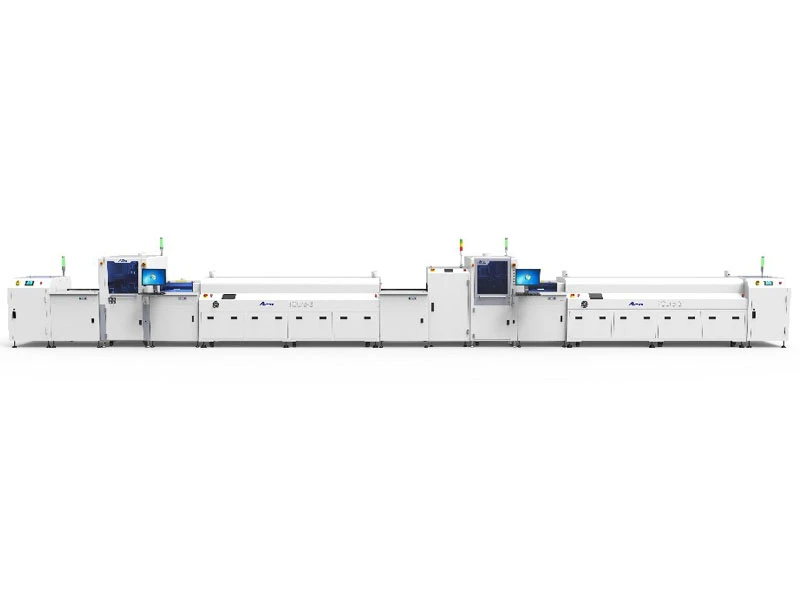
The short answer: a flexible batch system for manually coating and curing metal parts
A manual powder coating line with a single oven is a batch finishing system in which an operator sprays grounded metal parts with electrostatically charged powder, then moves the loaded rack or cart into one oven for curing. It suits small and medium-volume shops handling varied part geometries, changing colors, or production schedules that don’t justify a continuous conveyor.
The main advantage is flexibility. Operators can adjust gun position, film build, rack loading, and batch sequence without reprogramming an automated line. Capital cost and floor-space demand are usually lower as well. The trade-off is labor: coating consistency, transfer efficiency, and daily output depend more heavily on operator skill and disciplined process control. CHUANGKAIDA describes this category as a manual powder coating line with a single curing oven for customizable metal-finishing work.
How parts move from preparation and manual spraying to oven curing and unloading
Parts first need a surface that is clean, dry, and suitable for the specified finish. Depending on the substrate and corrosion requirement, preparation may include degreasing, rinsing, abrasive blasting, or a chemical conversion process. Powder won’t hide oil, mill scale, laser-cutting residue, or trapped moisture; it often makes those defects more expensive by revealing them after cure.
Prepared parts are hung on conductive racks or loaded onto a cart. The operator sprays them inside the booth, checks coverage at recesses and Faraday-cage areas, and transfers the batch to the oven. Cure should be controlled by the powder supplier’s schedule at actual part-metal temperature—not merely by the temperature shown on the oven controller. After curing, parts cool before inspection, unloading, packing, or assembly.
The roles of the spray booth, powder recovery equipment, manual gun, controls, racks or carts, and single curing oven
The booth contains overspray and maintains airflow away from the operator. Filters or a cartridge recovery system collect airborne powder; reclaim equipment may return suitable powder to the feed system, but reclaimed material must be managed carefully when color or chemistry contamination matters. “High powder utilization” isn’t automatic. It depends on booth design, grounding, gun settings, reclaim practice, and how often the shop changes colors.
The manual gun charges and delivers the powder, while controls regulate air, powder output, and electrostatic settings. Racks and carts must support the full load, maintain reliable grounding, and fit through every doorway and turning point. The oven supplies controlled heat and recirculating airflow. Its usable workspace is smaller than its outside dimensions, and parts need clearance from walls, ducts, burners, and each other.
Part size, weight, production mix, and target throughput determine the required configuration
Start with the parts, not a supplier’s standard oven designation. A shop coating light sheet-metal enclosures has different airflow, handling, and heat-load demands from one processing thick weldments. The largest part may set the door opening, but the heaviest normal batch often determines cart construction, floor loading, warm-up behavior, and practical cycle time.
Product mix matters just as much. Frequent short runs favor a flexible batch powder coating line, while repeated high-volume parts make manual spraying and a single oven potential bottlenecks. If wet pretreatment is planned, determine whether a separate dry-off stage is required. Alternating one oven between drying and powder curing can reduce output and may create contamination or scheduling problems.
Specify the largest part envelope, loaded rack weight, usable oven chamber, handling method, coating schedule, and expected daily output
Give suppliers maximum part length, width, height, weight, and orientation on the rack. Then state the number of parts per load and the total loaded rack or cart weight. Ask for usable chamber dimensions rather than nominal shell dimensions.
Explain whether loads will move manually, by floor cart, overhead rail, or powered handling system. Include the powder manufacturer’s cure window, typical substrate thicknesses, shift length, expected batches per day, and time allowed for loading, spraying, transfer, heating, curing, cooling, and unloading. Throughput claims that count only oven dwell time aren’t credible.
Booth design, recovery method, color changes, labor, and utilities shape operating cost
The purchase price is only one part of manual powder coating line cost. Cartridge filters, replacement parts, booth cleaning, hooks, masking supplies, compressed air, electricity or fuel, preventive maintenance, and rejects all affect cost per finished part. Poor grounding can waste powder and produce thin coverage. Dirty hooks can cause the same problem even when the gun appears to operate normally.
A reclaim system can reduce virgin powder consumption during long runs of one color. It is less attractive for shops making frequent color changes, especially where a few specks of the previous color will cause rejection. A basic filter booth using spray-to-waste operation may be faster to clean, though powder consumption rises.
Utility data deserves close review. Confirm the available voltage, phase, frequency, gas pressure if applicable, compressed-air quality, exhaust provisions, and local ventilation restrictions. Oven heat source affects installation cost and recovery between batches. Electric heat can simplify some sites; gas may be more economical elsewhere. The right answer depends on local rates, service capacity, production schedule, and permitting.
Where a single-oven batch line fits—and when an automatic or continuous line is the better choice
A single-oven system fits job shops, prototype operations, maintenance facilities, fabricators, and manufacturers producing mixed batches of frames, cabinets, brackets, guards, or similar metal components. It also makes sense where part geometry requires an operator to change gun angle and powder flow during application.
It is a poor fit when output must remain constant across multiple shifts, manual variation is unacceptable, or the oven queue routinely leaves sprayed parts waiting. High-volume, repeatable products may justify automatic guns, reciprocators, conveyorized pretreatment, and a continuous oven. Large or unusually heavy parts may instead call for a walk-in batch oven and powered transfer equipment. A manual booth-and-oven configuration should be evaluated as a complete material-flow system, not as two unrelated machines.
Use a powder-specific RFQ checklist before comparing suppliers
A useful request for quotation gives every bidder the same operating conditions. Otherwise, one proposal may include recovery, ventilation, controls, and installation while another covers little more than a booth shell and heated chamber.
Provide part drawings, substrates, powder data, finish requirements, throughput goals, color-change frequency, available floor space, fuel or electric service, compressed air, and ventilation constraints
- Part drawings with maximum dimensions, weight, masking areas, and rack orientation.
- Substrates, pretreatment method, powder type, required film appearance, corrosion target, and cure schedule.
- Normal batch size, daily output, shifts, product mix, and expected color-change frequency.
- Building dimensions, doorways, ceiling height, operator aisles, and material-flow direction.
- Available electrical service, fuel supply, compressed-air capacity and quality, exhaust route, and makeup-air limitations.
Request a documented layout, usable chamber dimensions, heat source, airflow and temperature-control approach, electrical options, installation scope, acceptance criteria, warranty, spare parts, and support plan; verify applicable NFPA 33, NFPA 86, NFPA 660, NEC, and NRTL requirements, and exclude unrelated UV curing, AOI, iCoat, or board-handling terminology
- Require a scaled layout showing booth, oven, controls, rack travel, safe clearances, exhaust, and operator access.
- Confirm usable oven dimensions, door design, heat source, airflow pattern, temperature uniformity test method, controls, and over-temperature protection.
- Define who supplies ducting, gas train, wiring, foundations, fire protection, startup, training, permits, and field acceptance testing.
- Agree on acceptance criteria tied to your parts, powder, coverage, cure results, and planned production rate.
- Ask for recommended spare parts, filter availability, warranty exclusions, troubleshooting support, and service response arrangements.
- Have the supplier and local authority having jurisdiction verify the adopted editions of NFPA 33, NFPA 86, NFPA 660, the NEC, and any insurer or NRTL listing requirements. These obligations vary by location and equipment design.
- Remove references to UV curing, AOI inspection, iCoat equipment, SMT board handling, or other electronics-production terms unless they genuinely apply. A powder coating RFQ should identify powder hazards, combustible-dust controls, electrostatic spraying, grounding, ventilation, and thermal curing without borrowed terminology.