Choose the dispensing method only after you have defined four things: the fluid, the required dispense pattern, the workpiece geometry and the production target. A system that handles a neat adhesive dot can still be the wrong choice for filled thermal material, narrow-gap underfill, PCB conformal coating or high-speed optical-module assembly. The dispenser is only one part of the process. Valve type, fluid feed, nozzle or jetting gap, motion path, fixturing and inspection all affect the result.
For electronics manufacturing, the practical starting point is simple: use non-contact jetting where contact would damage, contaminate or slow the process; use a screw or rotary valve where fluid behaviour demands positive, controlled feed; and assess coating equipment as a complete application process rather than a bigger dispensing head. CHUANGKAIDA precision dispensing equipment covers these categories alongside semiconductor packaging and SMT production equipment for manufacturers in Singapore, Malaysia, Vietnam and Thailand.
Start With the Material, Dispense Pattern, Workpiece and Production Target
Start with the material data sheet, then test the real production batch. Viscosity is useful, but it does not tell the whole story. Filled adhesives can settle or wear wetted components. Materials with volatile content may change behaviour if left exposed. Fluids that string or tail after valve closure can put material outside the intended location. Those are process risks, not minor cosmetic defects.
Define the required pattern in plain production terms: dot, bead, line, arc, dam-and-fill, selective coat, edge seal or cavity fill. Then map it against the part. Ask where the dispense point sits, how much clearance surrounds it, whether the board is flat, and whether connectors, shields or tall components restrict tool access. For a jet dispensing system, the allowable stand-off and target surface matter. For contact dispensing, nozzle access and collision clearance matter just as much.
- Material: chemistry, fillers, abrasiveness, curing behaviour, shelf-life controls and permitted exposure time.
- Pattern: placement location, continuity, start/stop quality and tolerance for stringing or splashing.
- Workpiece: package dimensions, board warp, component height, substrates and fixture datum strategy.
- Production target: product mix, required changeovers, cycle-time constraints and traceability expectations.
A common buying mistake is choosing from an advertised application name alone. “Underfill dispenser” or “adhesive dispensing machine” is too broad to settle the valve and process configuration. Your fluid and your part decide that.
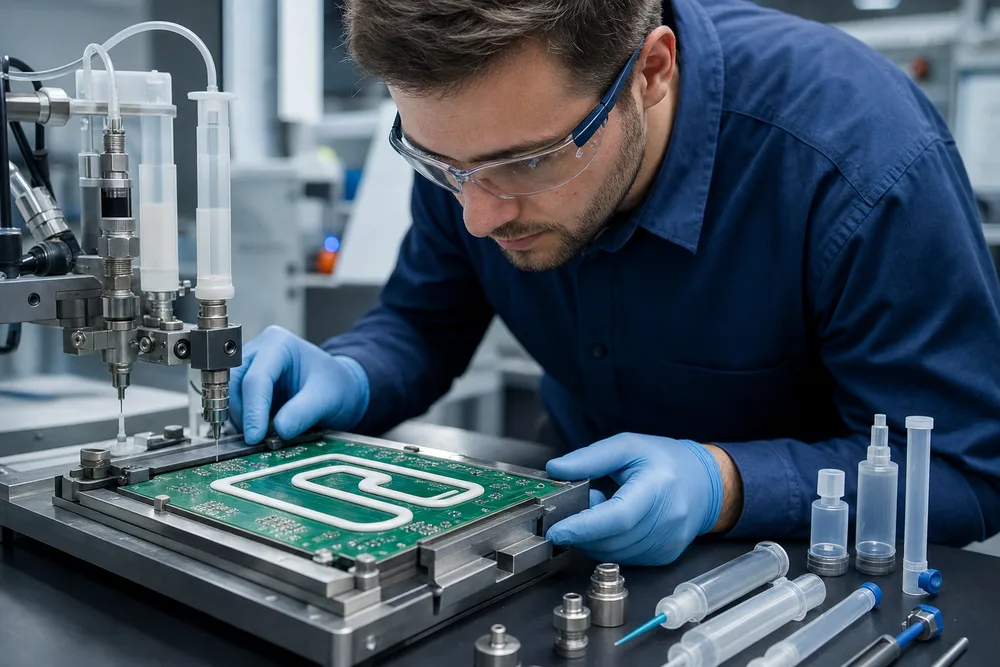
Match the Dispensing Method to Fluid Behaviour and Process Requirements
Precision fluid dispensing systems are best classified by how they meter and transfer fluid to the part. The right method is the one that produces a repeatable deposited result under normal production variation, not merely one that fires a good sample at commissioning.
Jet dispensing for non-contact, high-speed microelectronics applications
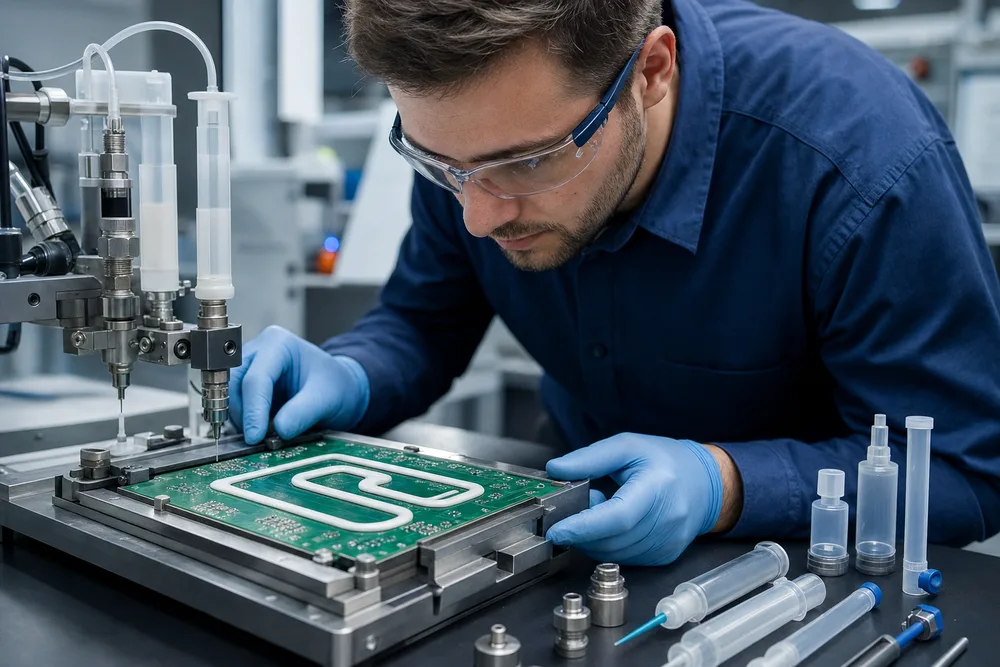
Jet dispensing ejects material without the nozzle touching the substrate. This can suit closely populated boards, delicate devices and microelectronics patterns where physical contact is undesirable or where nozzle travel would limit throughput. It is often considered for small, repeated deposits in semiconductor packaging and optical-module work.
Non-contact does not mean setup-free. Jetting performance depends on fluid response, valve settings, target distance, substrate condition and the ability to maintain a stable process window. A material that behaves well through one jet valve may not transfer cleanly through another. Validate actual deposit shape, placement and repeatability on representative parts, including parts from the edges of the manufacturing tolerance.
Screw, rotary and valve-based dispensing for viscous, filled or abrasive materials
High-viscosity adhesives, filled compounds and abrasive fluids often call for a metering approach that manages material flow more positively than a simple pressure-driven setup. Screw, rotary and other valve-based configurations should be assessed for the material’s filler content, wear potential, settling tendency and cleaning needs. CHUANGKAIDA lists screw valves, jet valves and the V-605 rotary valve among its dispensing options; the correct selection still depends on fluid trials and the required process pattern.
Do not overlook maintenance access. A valve that is difficult to clean, inspect or change over can become the limiting factor in a high-mix line. Ask which wetted parts contact the material, how consumables are replaced, and what checks operators must complete after a material change.
Select a System for Underfill, Adhesive Bonding, Conformal Coating or Optical Assembly
Underfill and semiconductor packaging processes that require controlled placement
For semiconductor underfill, controlled placement means more than depositing material near the package edge. Package geometry, gap behaviour, substrate temperature control, dispense path and void risk must be evaluated together. A narrow process margin can turn a small placement change into incomplete flow, overflow or contamination of adjacent features.
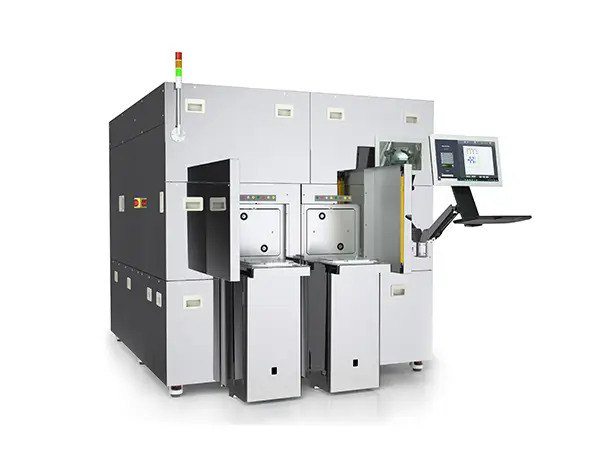
Use production-representative packages in trials. Include the actual substrate finish, fixtures and material conditioning method. If your quality plan requires inspection or traceability, define how dispense results will be checked before equipment integration. CHUANGKAIDA supplies equipment for microelectronics packaging and semiconductor processes, including systems in its precision dispensing and packaging equipment range.
PCB, FPC and automotive-electronics coating and adhesive applications
PCB and FPC applications are often judged by coverage boundaries and keep-out areas as much as deposited volume. For conformal coating, inspect around connectors, test points, heat-generating parts and component shadows. A coating path that looks efficient on a flat drawing may miss protected surfaces or flood an area that must remain uncoated.
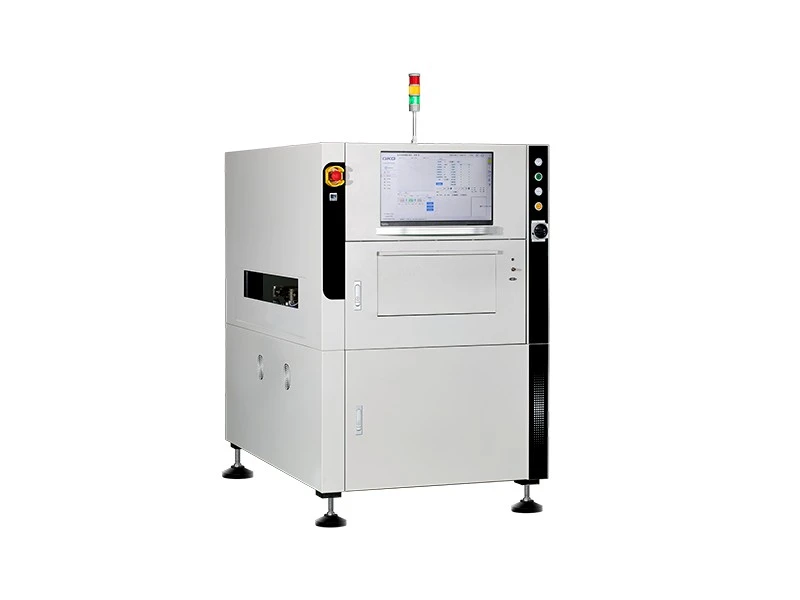
Automotive-electronics production adds its own discipline: validate the process against the assembly’s environmental and quality requirements, rather than assuming that an adhesive or coating recipe transfers unchanged from consumer electronics. CHUANGKAIDA also lists Axxon conformal coating systems and related controllers for selective coating applications. Ask early how the dispensing or coating cell will fit into board handling, curing, inspection and line traceability.
Validate Dispensing Performance Before Integrating Into Production
Insist on a sample and process validation plan before committing to a configuration. The goal is not a single attractive demonstration. You need evidence that the intended material, part and pattern can remain acceptable through a realistic run, after startup, after pauses and after normal operator interventions.
Agree in advance on the acceptance checks. These may include deposit position, continuity of a bead, unwanted tails, coating boundary control, missing material, overflow, void-related process concerns and visual contamination. The exact method should follow your product requirements. Where inspection is needed, discuss how it will connect with the dispensing cell rather than treating it as a separate afterthought.
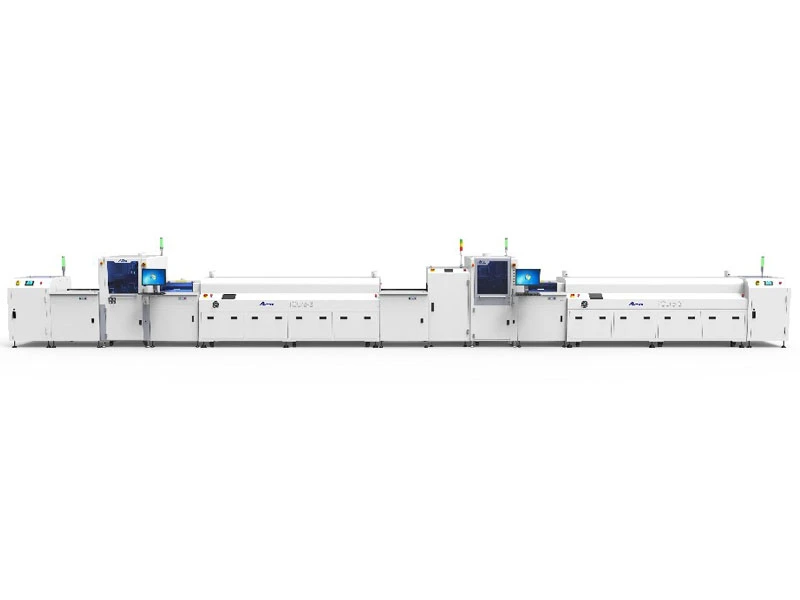
Integration also needs practical answers: material feed arrangement, fixture design, motion envelope, cure handoff, programming ownership, operator training and changeover procedure. This is where a low-priced head can become an expensive project.
Confirm Equipment Supply, Spare Parts and Service Eligibility Before Purchase
Equipment availability is only one purchasing criterion. Confirm the exact valve, controller, nozzle, syringe, consumable and accessory package included in the offer. Request a clear distinction between standard supply, recommended spares and items that depend on your material or application trial.
For Southeast Asian plants, service coverage and response path should be discussed before the purchase order. CHUANGKAIDA states localized service for Singapore, Malaysia, Vietnam and Thailand. Clarify eligibility for your site, commissioning scope, remote support arrangements, spare-parts lead times and who handles installation coordination. Those details are especially relevant if your line cannot hold a backup dispenser.
FAQ: What Should You Prepare Before Requesting a Precision Dispensing System Quote?
Prepare your material details, part drawings or samples, dispense pattern, expected production conditions and acceptance criteria before requesting a quote. This lets a supplier propose a relevant dispensing method instead of sending a generic machine list.
- Material name, technical data sheet, filler information and handling requirements.
- Photos, CAD data or physical samples of the PCB, FPC, package or optical assembly.
- Required dispense locations, keep-out zones, coating areas and access restrictions.
- Expected production mix, changeover needs and integration points with existing equipment.
- Quality checks, traceability needs and any process validation requirements.
If you have those inputs ready, discuss your precision fluid dispensing application with CHUANGKAIDA using the actual material and workpiece conditions. That is the shortest route to a system choice you can validate before it reaches the line.